Idaho Fire and Flood Restoration
Steps to Dry Rug After Flood Damage
Flood damage can wreak havoc on a home, transforming a cozy living space into a damp nightmare. One of the most pressing concerns homeowners face after a flood is salvaging valuable items, and rugs often bear the brunt of the water's onslaught. Understanding how to dry a rug after flood damage is crucial for both preserving its integrity and preventing further issues such as mold or mildew. Trusted professionals like Idaho Fire & Flood, a reputable restoration company in Boise and beyond, offer vital services to help with such daunting tasks.
Floods may occur unexpectedly due to heavy rains, plumbing failures, or natural disasters, leaving a trail of destruction. In these challenging times, knowing how to methodically dry and restore your rugs can make a world of difference. This blog delves into practical steps and expert advice to guide you through the process. We aim to equip you with the necessary knowledge to act swiftly, saving not only your rugs but also the overall aesthetic and health of your home environment.
Assessing the Damage
Before diving into restoration, it's imperative to thoroughly assess the condition of your rugs. Start by examining the extent of water exposure to determine whether the rug can be salvaged or if replacement is necessary. Consider factors like the material of the rug, the type of floodwater involved (clean, grey, or black), and how long the rug has been wet. If your rug has been soaked in grey or black water, it may harbor harmful bacteria and require professional cleaning services to ensure safety.
For valuable or delicate rugs, such as antique Persian or Oriental pieces, consult a professional conservator or a restoration company before taking any action. Rug materials like wool and cotton are relatively sturdy and can survive proper drying processes, while silk and synthetic fibers might require specialized care to restore their look and texture. The expertise of local professionals offering services such as water damage restoration in Boise can be instrumental in cases of severe damage.
Steps for Drying Your Rug
Drying a rug after flood damage is a meticulous process. Here's a comprehensive list to follow to ensure efficient drying and restoration:
- Remove Excess Water: Start by rolling up the rug and gently squeezing out as much water as possible. Avoid twisting or wringing the rug, as this can damage the fibers.
- Lay the Rug Out Flat: Once excess water is removed, lay the rug flat on a clean, dry surface. Ensure the area is well-ventilated to facilitate faster drying.
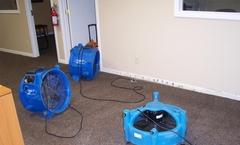
- Utilize Fans and Dehumidifiers: Position fans to blow across the surface of the rug and use dehumidifiers to extract moisture from the air. This will speed up the drying process.
- Use Absorbent Materials: Place clean towels or absorbent cloths under and over the rug to soak up moisture. Remember to replace these frequently as they become saturated.
- Elevate the Rug: If possible, elevate the rug using chair legs or other furniture to allow air circulation from underneath. This helps in evenly drying the rug.
- Clean the Rug: Once the rug is mostly dry, use a mild detergent and water to clean the surface. Ensure to only work in a well-ventilated area to prevent mold formation.
- Rinse and Repeat: Rinse out the detergent thoroughly to avoid any residue, and repeat the drying steps until the rug is completely dry.
Preventing Mold and Mildew
Mold prevention is crucial when dealing with flood-damaged rugs. Mold and mildew thrive in damp environments, developing quickly if precautions aren't taken. As you dry your rug, pay attention to musty odors or discoloration, indicators that mold may be forming. It is recommended to utilize a fungicide spray, particularly if your area is prone to high humidity.
Furthermore, keeping humidity levels low is key. This can be addressed by consistently using dehumidifiers and ensuring the room remains well-ventilated. Regular inspections of the rug during the drying process will help identify any early signs of mold, allowing for quick intervention. Consulting experts for mold remediation & cleanup when necessary can prevent further damage and health complications.
Patience and Professional Help
Drying and restoring a rug after a flood isn't just about rushing the immediate cleanup process. Patience plays a significant role, as prematurely deciding that a rug is dried or free from water damage can lead to complications later on, such as odors or structural issues within the rug's fibers. Always allow ample time for the drying process to complete naturally, and never hasten drying through direct sunlight exposure or excessive heat, as these methods can fade colors and weaken fibers.
There may come a point where professional restoration services become necessary. Water damage specialists offer advanced equipment and expertise that can identify hidden moisture or mold, intervening effectively to restore your rug to its original condition. Techniques used by professionals in reconstruction & general contracting can be invaluable, especially if your rug is a centerpiece of your home decor.
Extending Beyond the Home
The effects of floodwater aren't confined to one area - rugs in different parts of your home require individualized attention based on the gravity of exposure. Extend the lesson of rug restoration to other areas needing cleanup, considering the condition of flooring and baseboards that may need attention. This comprehensive approach prevents future issues and safeguards the overall stability of your living environment.
For those residing outside Boise, help is also available. Services like fire damage restoration in Caldwell can also provide insights or cross-service assistance if needed, demonstrating the breadth of what dedicated restorers can offer.
Start Restoring Your Home Today
In the aftermath of a flood, the pressure of saving precious possessions can feel overwhelming. However, with the right approach and the help of experts, your home can recover beautifully. The information shared in this blog aims to give you a robust start in knowing how to dry a rug after a flood, while ensuring every step taken aligns with preserving both your rug's integrity and your family's health.
In moments when DIY solutions prove challenging, don't hesitate to reach out for professional assistance. Services like water damage restoration offer residents across regions reliable and expert support to bring their homes back to life. Whether it's for quick advice or an extensive restoration, Idaho Fire & Flood stands ready to assist you in creating a safe, dry, and comfortable living space once again. Reach out to us today!
Recent Posts
-
Steps to Dry Rug After Flood Damage
June 15, 2026
-
Tips to Deal With Insurance Adjuster After a House Fire
June 03, 2026
-
How to Remove Mold From Bathroom Ceiling Step by Step
June 01, 2026