Idaho Fire and Flood Restoration
Can Mold Grow on Metal? What Homeowners Should Know
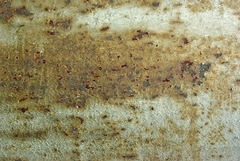
When it comes to mold concerns, many homeowners focus on walls, ceilings, and other damp surfaces, often overlooking other parts of their home. A common query surfaces: can mold grow on metal? For residents in Boise, ID, where the weather can vary significantly, understanding the nuances of mold growth on different materials is critical. Companies offering damage restoration services in Boise and beyond, like Idaho Fire & Flood, often receive questions about this very topic. Mold and metal might seem like an unlikely match, but circumstances can conspire to make this a valid concern for homeowners.
This blog post aims to shed light on this topic and arm readers with the right knowledge to combat mold growth effectively. We'll explore what conditions can cause mold to thrive on metal surfaces, the implications for your home, and how you can prevent and treat mold if it makes an unwelcome appearance. Additionally, we will provide insights into the services available from local professionals to assist in keeping your home mold-free.
Understanding Mold and Metal
Mold loves organic materials—wood, drywall, fabrics—because these surfaces act as a food source. Metal, in contrast, is inorganic and should technically be inhospitable to mold. However, mold growth on metal isn't as straightforward as it sounds. Mold thrives in environments rich in moisture and organic matter, conditions that can sometimes surround metal objects.
Here's when mold can make its way onto metal:
- Condensation Mats: HVAC vents, metal ducts, or cold water pipes can experience condensation, creating a moist environment perfect for mold.
- Dust and Dirt Accumulation: Metal surfaces, such as outdoor furniture or window frames, can collect dust and dirt over time, which can provide the organic matter mold requires.
- Humidity: High humidity levels, typical during summer months or in damp basement settings, can increase mold potential.
In essence, while the metal itself doesn’t provide food for mold, the conditions around it can create a breeding ground under specific circumstances.
The Implications of Mold on Metal
While mold on metal might seem benign compared to its presence on other materials, it isn't without consequences:
- Allergen Spread: Mold can trigger allergies or respiratory issues. Mold spores can become airborne even if located on metal.
- Structural Integrity: Moisture leading to mold can exacerbate rust on metals, impacting structural integrity over time.
- Aesthetic Concerns: Surfaces like roofs or gutters covered in unsightly mold stains decrease curb appeal and can signal neglect.
Identifying and Addressing Mold on Metal
Awareness of situational hotspots for mold is the first step. Key areas include:
- Basements and Attics: Frequently prone to leaks and high humidity, making them prime spots.
- HVAC Systems: Keep an eye on vents and ducts where condensation may gather.
- Plumbing Fixtures: Exposed pipes can accumulate condensation, especially in less-ventilated areas.
Here are steps for dealing with mold if you spot it on metal surfaces:
- Ensure Ventilation: Improving airflow can reduce moisture levels. Use dehumidifiers in enclosed spaces.
- Regular Cleaning: Use a solution of water and mild detergent or specialized mold cleaners to remove mold from the surface. Rinse thoroughly.
- Protective Coatings: Apply mold-resistant paints or sealants to metal surfaces.
- Professional Assessment: Consider contacting a local expert for mold remediation & cleanup, especially if mold recurs or covers a substantial area.
Risks and Prevention
If you're a homeowner, it's important to understand how even metal surfaces can contribute to broader mold issues in your home, requiring more extensive intervention like water damage restoration. To minimize risk:
- Keep surfaces dry and free from grime.
- Perform regular home inspections, especially after severe weather conditions.
- Engage professionals for comprehensive damage assessment and prevention applications, particularly in moisture-prone areas like basements and attics.
Mold FAQs and Maintenance Tips
Turning to FAQs can address lingering concerns.
- Can mold grow on aluminum or stainless steel? Yes, under similar conditions of moisture and dirt. Regular cleaning will help prevent this.
- Is mold removal on metal different? While cleaning might be quicker, the surrounding conditions must be addressed to prevent recurrence.
- What if mold keeps returning? Persistent issues might require a professional assessment to identify hidden moisture sources.
Make mold care a routine part of home maintenance. Consider integrating these practices:
- Routine Cleaning: Implement a regular schedule for cleaning metal surfaces, including gutters and external piping.
- Mind the Humidity: Monitor and maintain indoor humidity levels below 60% to inhibit mold growth on all surfaces.
- Professional Services: For ongoing concerns, consider professional inspections and mold remediation services available in Boise, ID.
How Idaho Fire & Flood Can Help
For those contemplating professional intervention, Idaho Fire & Flood offers a comprehensive suite of services tailored to tackle mold issues and more. They provide mold remediation & cleanup in Boise, ID, designed to restore safety and peace of mind to your home environment.
Moreover, for homeowners in surrounding areas seeking robust and effective strategies against mold and other related damages, consider their mold remediation & cleanup in Arimo and its neighboring communities. Partnering with local experts ensures that you not only address current mold issues but also take preventative measures to implement lasting solutions.
Idaho Fire & Flood pledges expertise with a local touch, offering a trusted hand in safeguarding your home against the persistent challenges mold presents. Take a proactive step today in maintaining the health and safety of your living spaces. Reach out to them for guidance and watch as they transform your house back into the sanctuary it is meant to be.
Recent Posts
-
What Does Mold Look Like on Insulation in Your Home?
August 23, 2026
-
Fire Damage Recovery for Business Owners
August 21, 2026
-
When to Replace Subfloor from Water Damage
August 17, 2026