Idaho Fire and Flood Restoration
Navigating the Floodwaters: Top 7 Steps to Take Before Calling a Restoration Service
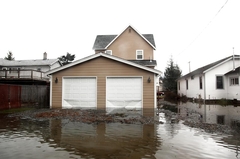
When your home suddenly becomes an indoor water park, it can be overwhelming and daunting to know where to start. Flooding, whether from natural disasters or internal plumbing mishaps, can have dire consequences on both your property's structure and your peace of mind. Water can seep into every corner, and unchecked moisture can lead to issues like mold growth or even permanent damage. It's crucial to handle these situations promptly but with a calm and structured approach.
Having an actionable plan in place before reaching out for professional help not only helps mitigate further damage but also prepares you for more effective collaboration with professionals. For those seeking emergency restoration services in Boise, ID, understanding what to do first is vital. This blog will guide you through the crucial steps to take immediately after a flood, ensuring that you're well-prepared before calling in the experts.
Assess the Safety of Your Home
Safety should always be the top priority in any emergency situation. The first step in navigating floodwaters is to ensure the safety of everyone in the building. Check for potential hazards like exposed wiring or structural damage that could lead to accidents during cleanup.
Turn Off Utilities: If it's safe to do so, turn off electricity and gas supplies. Water and electricity are a dangerous mix; flipping the switch on your circuit breaker can prevent shocks or fires.
Look for Structural Damage: Before walking through your property, look for signs of structural integrity issues, such as cracks in the walls or ceilings. Never enter a property that looks as though it might collapse.
Protect Your Belongings
Once safety measures are in place, focus shifts to protecting your belongings. While furniture and personal items may be waterlogged, swift action can often save many precious items.
Relocate Valuables: Move valuable items and furniture to an upper floor or out of the water's reach. Pay particular attention to electronics and important documents that can be damaged beyond repair.
Document Everything: Take photographs or video of the flooded areas for insurance claim purposes. Documenting the extent of flooding before beginning the cleanup process is essential for any restoration services you may use.
Remove Excess Water
Removing standing water is critical in flood situations to prevent further damage. Using appropriate tools and strategies can aid tremendously.
Use a Wet-Dry Vacuum : For minor floods, a shop vac can be used to remove water. Always ensure the power is off before starting this process.
Employ Buckets and Mops: Although more labor-intensive, manual methods like using buckets or mops can also make a significant difference.
Utilize Professional Pumps: In larger floods, professional-grade pumps can be rented to expedite water removal processes.
Dry Out Affected Areas
Moisture brings with it the unwelcome possibility of mold and mildew. Immediate drying of affected areas helps to control this risk.
Ventilation: Open windows and doors to promote air circulation. Use fans to accelerate the drying process, keeping any electronics above water levels.
Dehumidifiers: Run a dehumidifier to extract moisture from the air. This is particularly crucial in enclosed spaces, helping to reduce humidity levels significantly.
Sanitize to Prevent Mold Growth
Preventive sanitation is a critical step in thwarting mold growth, often requiring special attention to detail.
Wash Surfaces: With clean water, wash down walls, floors, and any non-upholstered furniture surfaces.
Use Disinfectants: Apply disinfectants on hard surfaces to kill mold spores or bacteria.
Clothing and Fabrics: For water damage restoration services in Boise and its surrounding areas, such as treating waterlogged clothing or fabrics, thorough washing and drying are essential to prevent mold development.
Check and Maintain Insurance Documentation
Proper documentation and communication with your insurance provider can save loads of hassle.
Contact Your Insurance Agent: Notify your insurance company right away. They can provide guidance on coverage and facilitate any required appraisals or estimates.
Review Your Coverage: Understand your policy's specifics on flood damage to facilitate faster and smoother claims processing.
Prepare for Professional Cleanup
Once you've completed the immediate steps, it's time to contact professionals for a comprehensive cleanup.
Research Local Services: Look for reputable restoration contractors, and check reviews and credentials to ensure quality work. Maybe you have water damage in Minneapolis or your in the Boise area and there have been major floodwaters. What you need is your local experts to come quickly and examine the problem.
Schedule an Assessment: Many companies offer damage assessment services to evaluate the full extent of the cleanup required and to provide an accurate quote.
Why Timing Matters
Taking immediate action by leveraging these steps optimizes the effectiveness of professional intervention. It's not just about cleaning up; it's about preserving your home's value and restoring normalcy as quickly as possible. Quick decision-making and action plans like these ensure that when you do reach out for specialist help, the process can be faster, potentially less costly, and certainly less stressful.
Whether you're after water damage restoration in McCammon and nearby regions or roof services in the Meridan area, having taken preemptive measures means that when Idaho Fire & Flood steps in, they can hit the ground running.
Take Control and Restore Peace
Floods may seem like life's perfect storm, but they don't have to upend your life permanently. By following these steps, you take crucial control over the situation. Once you're ready for professional help, you'll find yourself navigating the process with far greater ease. Idaho Fire & Flood offers expert services equipped to handle even the most challenging recovery projects.
Remember, when disaster strikes, acting swiftly can significantly mitigate long-term damage, preserve the safety and integrity of your home, and restore comfort back into your life. Reach out to Idaho Fire & Flood now.
Recent Posts
-
[Question] Why Is There Black Soot in My House After a Fire?
September 09, 2026
-
When a Water Heater Is Leaking from the Bottom: Warning Signs to Watch
September 07, 2026
-
All About Water Resistant Basement Wall Panels: Are They Worth It?
September 03, 2026