Idaho Fire and Flood Restoration
What Causes a Storm Surge During Severe Weather Events
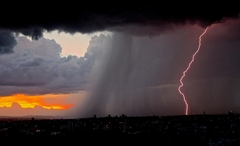
Imagine standing on the coastline and witnessing the sea rise suddenly and dramatically as a hurricane approaches. What causes a storm surge like this? The impact can be swift and devastating, leading to widespread flooding, property destruction, and even loss of life. Understanding the dynamics behind a storm surge is crucial not only for emergency preparedness but also for those seeking damage restoration services in Boise. As hurricanes and severe weather events continue to pose threats, Idaho Fire & Flood offers essential services to help communities recover swiftly and efficiently, minimizing long-term disruptions and ensuring safety.
In this blog post, we'll delve into the mechanics of storm surges, their causes, and their impact. We'll also explore how communities can better prepare and respond, ensuring safety and reducing potential damage. With insights from experts and an understanding of restoration services available, you can be better prepared for when severe weather strikes. Let's journey through this vital topic, unravel the causes, and see how to protect our communities.
Understanding Storm Surges
Definition and Causes
In the realm of weather phenomena, what causes a storm surge is often attributed to a combination of factors. Primarily, it is a rise in sea level that occurs above the normal tidal levels, driven by severe weather events such as hurricanes and typhoons. When high winds push water toward the shore, combined with a storm’s low atmospheric pressure, it can temporarily raise the ocean's surface, sometimes by several feet. This dangerous inundation poses a significant risk to coastal areas.
Role of Wind and Atmospheric Pressure
The primary drivers behind a storm surge are strong, sustained winds, typically those associated with tropical cyclones. These winds push large volumes of water toward the shore, leading to flooding. Furthermore, the lower atmospheric pressure in the storm's center causes the water level to rise. This process can be likened to removing the lid from a pot of boiling water, where the pressure reduction allows the water to expand upward.
Local Topography and Tides
The severity of a storm surge is influenced by local topographical features. Coastal areas with shallow sea floors can experience more severe surges compared to steeply shelving coastlines. Similarly, if a surge arrives during a high tide, the impact is compounded, leading to more extensive flooding. This is particularly concerning for residents along the coast, where preparedness and timely intervention are key to mitigating damage.
Impacts of Storm Surges
Threats to Life and Property
What causes a storm surge to be so devastating is its ability to combine the destructive power of water and wind. These surges can cause catastrophic flooding, destroying homes, infrastructure, and landscapes. The human toll can be severe, with lives lost and communities displaced. Quick action and accessibility to restoration services are critical for recovery and rebuilding.
Environmental Consequences
Beyond immediate destruction, storm surges can have long-lasting effects on the environment. Saltwater intrusion can damage freshwater habitats and lead to soil salinization, impacting agriculture and local ecosystems. Additionally, sediment deposits can alter shorelines and affect local biodiversity.
Economic Costs
The economic impact of storm surges is staggering. The cost of rebuilding infrastructure, homes, and communities can run into billions. Businesses may also face prolonged disruption, affecting local economies. While insurance can provide some relief, the path to recovery often requires comprehensive support and expertise in restoration.
Preparing for the Unpredictable
Early Warning Systems
One of the most effective ways to mitigate the impact of storm surges is through early warning systems. These systems provide crucial information about impending weather events, allowing communities to prepare and evacuate if necessary. Governments and local authorities play a vital role in disseminating these warnings to ensure the safety of their citizens.
Community Preparedness Plans
What causes a storm surge to become less manageable is the lack of preparedness. Communities need to have effective plans in place, including established evacuation routes, public shelters, and emergency communication channels. Education and simulation drills can also improve response times and reduce panic during an actual event.
Reinforcement of Infrastructure
Investing in resilient infrastructure is key to mitigating the impacts of storm surges. This includes constructing sea walls, reinforcing buildings, and improving drainage systems to handle unexpected volumes of water. As extreme weather patterns become more frequent, such measures are increasingly important for long-term community resilience.
Aftermath and Recovery
Immediate Response
In the wake of a storm surge, immediate response efforts are crucial. This includes search and rescue operations, providing medical aid, and establishing safe zones for displaced persons. Rapid deployment of these services not only saves lives but also helps in quick recovery.
Role of Restoration Services
When it comes to storm damage, experts in Boise, ID, such as Idaho Fire & Flood, provide essential services ranging from water extraction to reconstruction in Boise. Their fast and efficient response can significantly reduce the long-term impacts of flooding and help restore living conditions swiftly.
Long-Term Recovery
Beyond immediate restoration, long-term recovery involves rebuilding communities and restoring livelihoods. This can include economic support, rebuilding infrastructure, and providing psychological support to affected individuals. Facilitating a community’s return to normalcy is a complex process that requires coordinated efforts tailored to the specific needs of the affected area.
Protecting Future Generations
Sustainable Development Practices
Sustainable development practices can play a crucial role in reducing the likelihood and impact of future storm surges. This includes designing coastal cities with environmental resilience in mind, prioritizing green infrastructure, and promoting policy changes that address climate change mitigation.
Education and Awareness
Raising awareness about what causes a storm surge and its potential impacts fosters a more informed community. Educational programs can empower individuals with knowledge and tools to better prepare, respond, and recover from severe weather events.
Partnering with Restoration Services
Collaborating with leading restoration services, such as Idaho Fire & Flood, enables communities to harness expertise and resources critical for comprehensive recovery. By having expert partners ready to act, the journey to rebuilding becomes notably smoother and faster.
As severe weather events become more frequent and intense, understanding the science and impacts of storm surges is more important than ever. Whether it's educating ourselves or strengthening community resilience, we must be proactive in our approach. If you're in need, consider Idaho Fire & Flood's specialized services like storm damage across Cambridge and other areas to ensure your safety and readiness in facing nature's power. Contact us today and act now, protect what matters, and secure peace of mind with trusted expertise.
Recent Posts
-
What Does Mold Look Like on Insulation in Your Home?
August 23, 2026
-
Fire Damage Recovery for Business Owners
August 21, 2026
-
When to Replace Subfloor from Water Damage
August 17, 2026