Idaho Fire and Flood Restoration
What Does Mold Look Like on Insulation in Your Home?
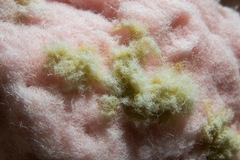
Mold growth is a significant concern for homeowners, not just for aesthetic reasons but also for health implications. If you've ever wondered, "What does mold look like on insulation in your home?", you're not alone. This question highlights a common problem many residents face, particularly in areas with high humidity and poor ventilation. For those living in Idaho, the services of a restoration company in Boise and its surrounding cities can be invaluable in addressing and preventing mold issues effectively.
A quick glance might reveal dark spots, fuzzy patches, or even slimy textures. But identifying mold in its early stages is crucial to mitigate more significant problems down the line. In this article, we'll delve into the intricate details of what mold on insulation resembles, why it's a cause for concern, and how it can be effectively dealt with. We'll also provide insights into prevention strategies to keep your home safe and healthy.
Recognizing Mold on Insulation
Mold on insulation can manifest in various forms, depending on the stage of growth and type of mold present. It's not uncommon to find green, black, or even yellow patches forming on the surface. These colors are usually the first indication of a potential mold problem. However, because insulation is often tucked away within walls, attics, or crawl spaces, spotting it can be a challenge until it has become a more severe issue.
One of the most distinguishing features of mold on insulation is its texture. It often appears fuzzy or velvety, giving away its biological nature as it thrives in damp and warm environments. If you suspect mold, examining insulation for damp or soft spots can also provide clues, as these conditions create an ideal environment for mold growth.
Common Symptoms of Mold Presence
The following are signs that you might have mold growing on your insulation:
- Discoloration : Look for unusual patches of color on your insulation. Black, green, and yellow are common mold colors.
- Odor : A musty or earthy smell often accompanies mold growth, even if the mold itself is hidden from view.
- Deterioration : Mold can cause the insulation material to break down, becoming soft or crumbly.
Mold is a silent intruder, so even subtle changes should prompt further investigation. Recognizing these symptoms early can save time, money, and health expenses later.
Why Mold on Insulation Matters
Mold is notorious not just for its unsightly appearance but also for its potential health risks. Insulation, a common breeding ground for mold, is often located in areas we don't regularly inspect. However, the importance of identifying mold cannot be underestimated.
Health Implications
Exposure to mold can lead to a variety of health issues. Allergic reactions, respiratory problems, and even chronic conditions like asthma can be triggered by mold exposure. Young children, the elderly, and individuals with compromised immune systems are particularly vulnerable. When mold grows on insulation, it can easily spread through air ducts and ventilation systems, affecting indoor air quality throughout the home.
Structural Integrity
Mold on insulation doesn't just impact health; it also poses a threat to your home's structural integrity. Over time, mold can deteriorate insulation, making it less effective. This can lead to increased energy costs as your heating and cooling systems work harder to maintain desired temperatures. In severe cases, mold can compromise the materials it grows on, such as wood and drywall, necessitating expensive repairs.
How Does Mold Develop on Insulation?
Understanding the conditions that encourage mold growth can help in both identifying and preventing it. Mold needs three primary factors to thrive: moisture, a food source, and the right temperature. Insulation, which can trap moisture and is often located in warm spaces, becomes an ideal environment.
Sources of Moisture
Leaky roofs, plumbing issues, and condensation are common culprits of moisture build-up, setting the stage for mold on insulation. In Boise, ID, the weather can exacerbate these conditions, which is why partnering with a restoration company to manage these risks is wise.
Preventing moisture from seeping into insulation isn’t just a matter of reducing mold risk; it’s also about maintaining your home's energy efficiency.
Strategies for Handling Mold on Insulation
Dealing with mold requires a careful approach to prevent its spread and ensure thorough removal. Depending on the severity of the mold growth, different methods can be implemented to address the issue.
Professional Mold Remediation
Engaging professional services for mold remediation & cleanup in Boise and beyond ensures a comprehensive and safe removal process. Experts in mold remediation have the skills and equipment required to effectively manage and eliminate mold without risking further contamination in your home. Their knowledge helps identify the underlying cause of mold growth, preventing future occurrence.
DIY Mold Removal
For minor mold issues, homeowners may consider addressing the problem themselves. This involves removing the affected insulation and treating the area with mold-killing solutions. It’s crucial to wear appropriate protective gear to avoid inhalation or skin contact. Make sure that any DIY effort follows rigorous safety guidelines to prevent harm to yourself and others.
Preventive Measures to Avoid Mold
Prevention is always better than cure. Implementing measures to reduce the likelihood of mold on insulation is a wise long-term strategy. This involves regular inspections of your home for leaks and other moisture sources and ensuring adequate ventilation in areas prone to dampness.
Improving insulation in attics and crawl spaces can also prevent the kind of moisture buildup that leads to mold growth. By investing in quality insulation materials, you can enhance the resilience of these areas against the onset of mold.
Regular Maintenance
Regularly maintaining roofs and plumbing, ensuring proper drainage systems, and installing adequate ventilation can significantly reduce the risk of mold formation on insulation. A proactive approach, coupled with regular inspections, saves on potential costs and keeps your home environment healthy.
Actionable Ways to Prevent Mold
While mold is a persistent issue, there are tangible steps you can take to protect your home and family:
- Inspect Roofing and Plumbing Regularly : Leaks are a common source of moisture buildup. Early detection prevents mold growth.
- Upgrade Insulation : Use products with mold-resistant properties, which can provide an added layer of protection.
- Ventilate : Ensure proper airflow in typically damp areas like basements.
- Dehumidify : In areas prone to high humidity, using a dehumidifier can keep moisture at bay.
These preventive measures, aligned with regular checks, can substantially lower the risk of mold development in your home.
The Role of Professional Restoration in Idaho
When dealing with mold, especially large infestations, turning to professionals is often the best course of action. A professional restoration company not only provides efficient removal solutions but also helps in assessing and eliminating the source of moisture that leads to mold growth.
Whether facing mold on insulation or another home issue, services like water damage restoration in Chubbuck and beyond offer a comprehensive approach to home maintenance. With their expertise, mold-related problems can be not just remedied but significantly reduced in future risks.
Keeping Your Idaho Home Safe
Understanding what mold looks like on insulation and addressing it effectively is integral to maintaining a healthy home. By taking proactive measures and relying on experts when necessary, homeowners can ensure both their property's integrity and their family’s well-being.
For those needing professional assistance, Idaho Fire & Flood provides tailored solutions across various areas, including mold remediation & cleanup and water damage restoration in the wider Idaho region. Let the experts handle your mold issues while you enjoy the comfort and safety of a mold-free home.
Taking consistent and informed steps ensures that your living environment remains a place of comfort, health, and peace of mind. With expert guidance, you can tackle even the toughest mold challenges effectively. Contact our company today!
Recent Posts
-
Understanding Normal Summer Weather in Boise and Its Impact on Homes
August 09, 2026
-
Does Home Insurance Cover Sewage Backup Issues
August 07, 2026
-
How Much Does It Cost to Fix Hail Damage?
August 03, 2026