Idaho Fire and Flood Restoration
When to Replace Subfloor from Water Damage
Water damage is a homeowner's nightmare that can sneak up unexpectedly and cause significant issues. One of the often-overlooked consequences of water infiltration in a home is damage to the subfloor. Knowing when to replace subfloor from water damage is essential to maintaining structural integrity and ensuring a safe living environment. Expert disaster cleanup services in Boise and beyond are crucial for addressing such problems efficiently and effectively. This blog post delves into understanding the signs of subfloor damage, when replacement is necessary, and how Idaho Fire & Flood can help restore your home.
Water can be an incredibly destructive force. It is not only capable of ruining carpets and furniture, but it can also compromise the very foundation of your home. The subfloors, which lie beneath your visible flooring, are particularly vulnerable. Whether it's due to a burst pipe, a leaking roof, or severe flooding, knowing the right time to replace subfloor from water damage can save you from future headaches and additional costs. Through this post, you'll learn how to identify water damage, understand the repercussions if ignored, and recognize when professional intervention is required.
Understanding Subfloor and Its Importance
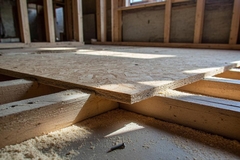
A subfloor is the structural layer that provides support to your finished flooring, such as laminate, hardwood, or carpet. It is typically made from plywood or oriented strand board (OSB) and plays a crucial role in distributing load, providing a level surface, and offering insulation. However, subfloors are not waterproof. When they get exposed to excessive water or moisture due to leaks or flooding, they can warp, swell, and even rot, leading to significant structural issues.
When water seeps into these unseen layers, the materials can lose their integrity. This not only leads to the weakening of the floor support but can also foster mold growth. Unfortunately, mold can create a variety of health problems, particularly for those with respiratory issues. Hence, recognizing the signs of subfloor damage and acting promptly is essential.
Identifying Damage: Signs and Symptoms
Recognizing the signs of water damage in subfloors can be challenging. Often, the damage is not immediately visible, making it crucial for homeowners to be vigilant. Some telltale signs that you might need to replace your subfloor include:
- Uneven Floors: If you notice that your floors are sagging, warping, or developing soft spots, it may indicate that the subfloor is compromised. Persistent squeaks in certain areas when you step can also signify water penetration.
- Persistent Odors: A damp, musty smell that lingers in your home is a strong indicator of mold growth due to water damage in the subfloor. These odors can often emanate from beneath the floor, so even if you can't see the mold, it may well be present.
- Visible Mold and Stains: Water stains or mold patches on flooring or along the baseboards are obvious signals that water has seeped into the subfloor. Immediate action must be taken to assess the extent of the damage and address the underlying moisture problem.
If any of these symptoms are present, it might be the right time to consider subfloor replacement. However, deciding when to replace subfloor from water damage depends on the severity and source of the water infiltration.
Factors Influencing Subfloor Replacement
Several factors can influence the decision to replace subflooring, and understanding these can help you make an informed choice. Here are some critical considerations:
Type of Water Exposure
The type of water that causes the damage is crucial in determining the urgency and method of replacement. Clean water from a broken pipe is less concerning than grey or black water, which can contain harmful pathogens and require immediate professional cleanup efforts to prevent contamination.
Extent of the Damage
The level of damage also plays a pivotal role. If only a small section of the subfloor is affected, partial replacement might suffice. However, widespread damage often necessitates a complete overhaul to ensure safety and structural integrity.
Duration of Water Exposure
How long the subfloor has been exposed to water is another determinant. If water damage is caught early, the subfloor might be salvaged or repaired without full replacement. Conversely, prolonged exposure often necessitates replacement due to the risk of rot and mold proliferation.
Preventative Measures and Early Intervention
Prevention is always better than cure when it comes to water damage. Regular maintenance and quick response to any signs of water intrusion can save you from the hassle of replacing your subfloor. Here are some preventative measures you can take:
- Regularly Inspect Your Home: Consistently check areas prone to leaks, such as under sinks and around toilets, for any signs of water damage. Early detection can help prevent severe damage to the subfloor.
- Upgrade to Waterproof Flooring: Consider installing waterproof or water-resistant flooring materials in moisture-prone areas like bathrooms, kitchens, and basements. This can act as an additional barrier, minimizing water seepage to the subfloor.
- Seek Professional Assessment: If water damage is suspected, contacting professionals for a comprehensive assessment is wise. Experts, like those at Idaho Fire & Flood, have the tools and expertise to identify hidden damage accurately and recommend appropriate solutions.
Professional Restoration and Replacement
When faced with significant subfloor water damage, engaging professional services is often the best course of action. Companies specializing in water damage restoration have the experience, equipment, and knowledge required to assess, remove, and replace damaged subfloors effectively. In Boise, ID, Idaho Fire & Flood offers comprehensive solutions, ensuring that your home's structure is restored to its pre-damage state while maintaining the highest safety standards.
Professional teams will thoroughly inspect the extent of the damage, remove affected materials, and employ industrial-grade drying equipment to prevent further moisture-related issues. They also take steps to address any mold growth that could have taken hold during the period of water exposure. By using professional water damage restoration in Boise and its surrounding neighborhoods, you not only ensure a safe living environment but also protect your property investment.
Consider Idaho Fire & Flood for Your Restoration Needs
When you suspect subfloor damage in your home, acting quickly can save both time and money in the long run. By choosing water damage restoration services in Caldwell and its nearby areas from Idaho Fire & Flood, you receive top-notch intervention and repair processes. Their team understands the complexities of subfloor damage and is equipped to address water damage issues efficiently, allowing you to return to normalcy without undue delay.
Idaho Fire & Flood is more than a service provider; they are partners in restoring your home to its optimal condition. Their expertise in handling water damage, understanding structural intricacies, and offering tailored solutions make them the go-to choice for residents across various Idaho locations. Reach out today for a professional assessment and let them help secure the integrity of your home.
Recent Posts
-
Before the Damage Spreads: How to Treat Water Damaged Wood
September 23, 2026
-
When a Basement Floor Leaks Through a Crack: Causes and Fixes
September 21, 2026
-
On Wood Surfaces, Mildew vs. Mold Can Be Easy to Misread
September 17, 2026